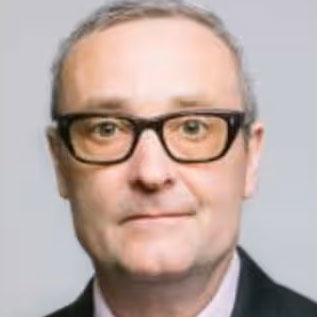
Philip Ashton-Rickardt is the Managing Director and Chief Scientific Officer at BE Therapeutics in Boston, where he focuses on developing engineered cell therapies for neurodegenerative diseases.
Philip Ashton-Rickardt
Managing Director & Chief Scientific Officer
Boston, MA
About Philip
Philip Ashton-Rickardt is the Managing Director and Chief Scientific Officer at BE Therapeutics in Boston, where his work focuses on developing engineered cell therapies for neurodegenerative diseases.
He began his career in academic immunology, holding professorships at the University of Chicago and Imperial College London before transitioning into biotech. He has since founded and led multiple companies, working to translate scientific ideas into real-world therapies.
He is driven by curiosity, resilience, and the challenge of building innovative solutions that create meaningful impact. He values continuous learning and taking progress step by step.
Outside of work, he enjoys reading, writing, running, and following Liverpool Football Club.
Blog Posts
Latest Reads
Articles
Philip Ashton-Rickardt Explores Why Reinvention Matters in a Scientific Career
By Access Newswire
Philip Ashton-Rickardt has spent much of his career working in environments where change is constant. From academic research to biotech entrepreneurship, his path has included major shifts in role, responsibility, and focus.
What Does Success Mean to You? Philip Ashton-Rickardt
By Industry Elites
Philip Ashton-Rickardt has built a career around science, leadership, and the willingness to take a different path when needed. Raised in the UK in a working-class family, he learned early that progress would require independence, persistence, and the confidence to make his own way.
Philip Ashton-Rickardt and the Art of Reinvention
By Brainz Magazine
Some careers follow a straight line. Philip Ashton-Rickardt did not. He started in academic science. Then he became a biotech founder. Later, he helped guide companies through acquisitions and major transitions. Along the way, he worked on some of the toughest challenges in medicine, including neurodegenerative diseases like ALS and multiple sclerosis.
Philip Ashton-Rickardt Managing Director, Chief Scientific Officer, co-founder
By Reverb
Philip Ashton-Rickardt, Managing Director and Chief Scientific Officer at BE Therapeutics, is speaking out about common misconceptions surrounding biotechnology, neurodegenerative disease research, and the development of advanced cell therapies.
Philip Ashton-Rickardt Debunks 5 Myths About Biotech and Brain Disease Research
By Barchart.com
Philip Ashton-Rickardt, Managing Director and Chief Scientific Officer at BE Therapeutics, is speaking out about common misconceptions surrounding biotechnology, neurodegenerative disease research, and the development of advanced cell therapies.
The Role of iPSC Technology in Next-Generation Cell Therapies
By Philip Ashton-Rickardt - Medium
Over the course of my career, I have had the opportunity to watch biotechnology evolve in remarkable ways. From advances in immunology to the development of engineered cell therapies, the pace of innovation has accelerated dramatically.
Navigating the Transition from Academia to Biotech Industry Leadership
By Philip Ashton-Rickardt - Medium
My career began in academia, where the primary focus is discovery. In that environment, success is often defined by publications, grants, and the pursuit of fundamental knowledge. It is a world driven by curiosity, where questions can be explored deeply without immediate pressure to translate findings into products or outcomes.
An Interview With Philip Ashton-Rickardt
By IdeaMensch
Philip Ashton-Rickardt has spent his career asking difficult questions and looking for better answers. Growing up in the UK in a working-class family, he learned early that progress came through hard work, curiosity, and taking responsibility for his own future.
Philip Ashton-Rickardt Says the Next Generation of Medical Breakthroughs Will Need More Scientist-Entrepreneurs
By ZEX PR WIRE
Boston biotech leader Philip Ashton-Rickardt believes more researchers should take their discoveries beyond the laboratory and into the real world, where they can improve lives.
The Importance of R&D Vision in Driving Breakthrough Medical Advances
By Philip Ashton-Rickardt - Medium
Throughout my career in immunology, biotechnology, and therapeutic development, I have come to believe that one of the most important factors behind meaningful medical innovation is vision. Scientific expertise, technical skill, and financial resources are all essential, but without a clear research and development vision, even the most talented teams can struggle to create lasting impact.
The Value of Scientific Curiosity Throughout a Career
By Philip Ashton-Rickardt - Medium
When people look at a long career in science, they often focus on accomplishments, publications, leadership positions, or successful companies. While those milestones certainly matter, I believe there is another factor that plays an equally important role in long-term success: curiosity.
Why More Scientists Should Think Like Entrepreneurs
By Isaiminia
Philip Ashton-Rickardt has spent his career on both sides of that journey. After decades in academic research, he moved into biotechnology entrepreneurship, helping build companies focused on developing new therapies.
He says the biggest adjustment wasn’t learning about business. It was realising that success depended on asking a different set of questions.
Why Biotech Is Entering Its Most Exciting Decade
By Healthcare Business Club
Biotech has always been an industry built on possibility. Every year brings discoveries, new technologies, and fresh optimism about what medicine might achieve next. Philip Ashton-Rickardt has worked across academic research, biotechnology startups, and established life sciences companies, giving him a front-row seat to that evolution.
Creating a Culture of Scientific Excellence in High-Growth Biotech Organizations
By Philip Ashton-Rickardt
Throughout my career in immunology, academic research, and biotechnology leadership, I have learned that the success of a biotech company depends on far more than having a promising scientific idea.
What Young Scientists Should Know Before Entering the Biotech Industry
By User Team Names
Philip Ashton-Rickardt has spent more than three decades working across academic research, biotechnology startups, and scientific leadership. Today, as Managing Director and Chief Scientific Officer at BE Therapeutics, he works with teams developing engineered cell therapies for brain disorders. That experience has given him a unique perspective on what helps young scientists succeed.
Interview with Philip Ashton-Rickardt
By Power Execs
Philip Ashton-Rickardt discusses translating biology into practical therapies, managing complexity in engineered cell products, and the resilience required to lead in biotech.
Philip Ashton-Rickardt: Immunologist, Biotech CSO, Cell Therapy Founder
By Infinite Sights
Philip Ashton-Rickardt grew up in a working-class family in the UK with no clear path to an academic career, yet built a distinguished tenure at the University of Chicago and Imperial College London before pivoting to biotech entrepreneurship.
Always Learn: Philip Ashton-Rickardt on Building a Biotech Career Without a Blueprint
By Norfolk Daily News
“I came from a working-class family and so had to chart my own progress through college to an academic career. This prepared me well for being a company starter,”